
What is a language contributor?
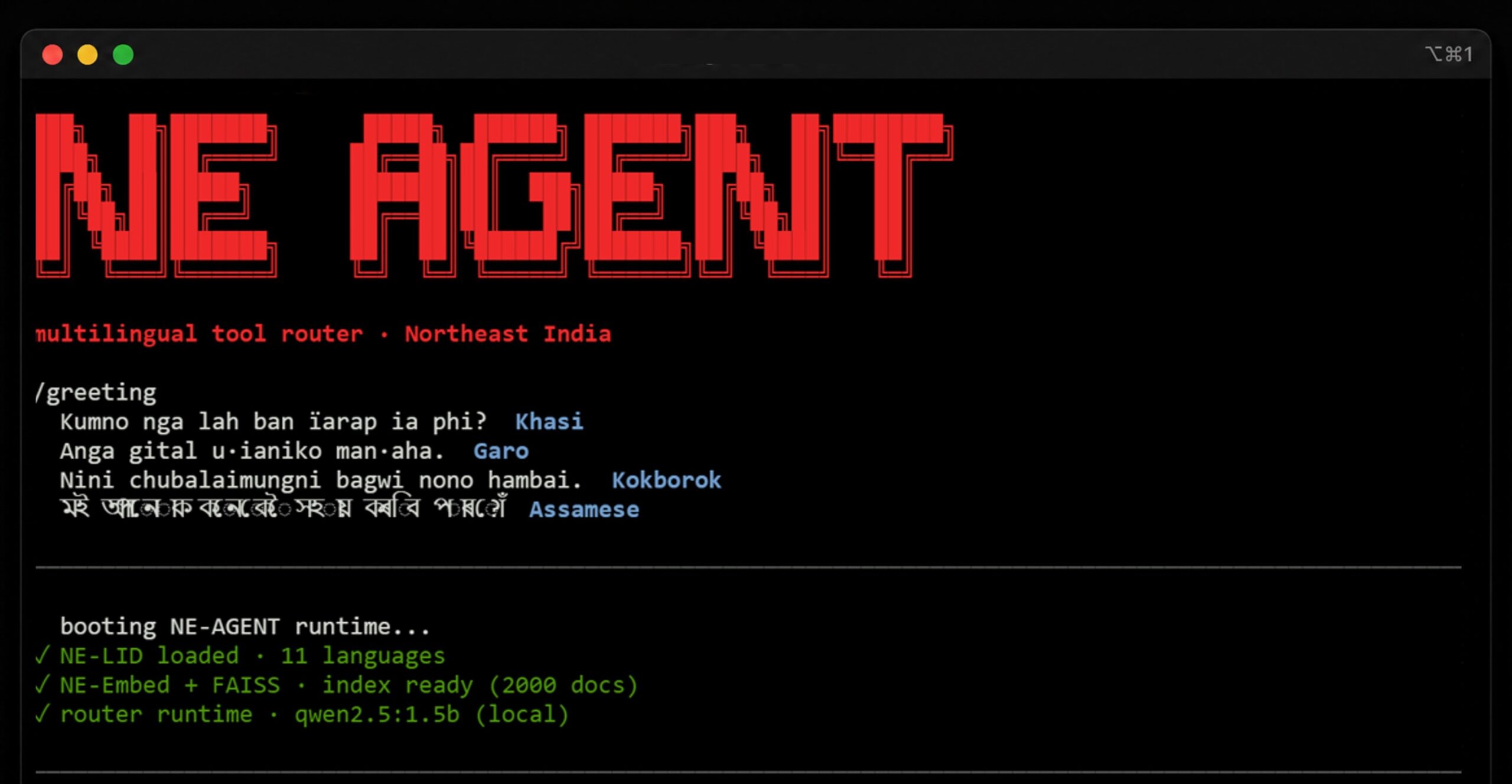
You might ask, “What exactly is a language contributor?” At MWire Labs, the term ‘language contributor’ isn’t just a title, it’s the heartbeat of an AI project that feels more like a cultural mission than a technical task. We recruit “language contributors”; native speakers who record specific sentences to help our AI understand the beauty of local dialects. Since March of 2026, we’ve worked with 36 contributors for languages like Mizo, Nagamese, Garo, Khasi, and Pnar, and we are already planning to expand to others like Kokborok, Karbi, Lepcha, Bhutia and many more. In a world where tech often forgets smaller regions, these recordings ensure that a person speaking Mizo or Khasi can one day interact with AI just as easily as someone speaking French or Spanish.
The learning curves
My experience has been quite enriching so far. Working in the tech and AI domain seemed intimidating at first, but it became much more natural once I got the hang of it. I had to first learn the ropes myself – understanding what a contributor does and how to guide them through their tasks. To make sure I truly understood the process, I even signed up and did the recordings myself and the first-hand experience made it much easier to guide others through it. I realized I wasn’t just a coordinator; I was a translator between the technical needs of our developers and the cultural pride of our speakers.
Managing the human element
Since I oversee multiple projects every day, the language contributor program is one of many moving parts I manage. My role here is about efficient coordination: I handle the onboarding, send out login details and walk contributors through the steps to ensure they hit the ground running.
Because AI is still a new concept to many, the “barrage of questions” stage is a big part of the experience. Some questions I can answer easily, while others make me say, “Wait, I don’t know, let me ask my manager first.” It’s my job to clear those doubts so they can focus on their contribution. Once they feel at ease, their eagerness to promote our North-eastern languages is amazing to see. The process itself is a balancing act. Once I onboard a contributor, I walk them through our recording guidelines, which is often where the real work begins. It’s not just about hitting ‘record’; it’s about ensuring the environment is quiet and the nuances of the dialect are captured. Watching a contributor go from being unsure of the tech to confidently navigating the recording tasks in just a few days has been one of the most satisfying parts of my role. I remember one contributor who was worried their accent wasn’t ‘official’ enough. Explaining to them that AI needs to hear how people actually talk was a lightbulb moment for both of us.
A Proud Moment
Once the questions were answered and the work began, the shift in energy was incredible. Many contributors enjoyed the process so much that they even asked if there would be similar tasks they could contribute to in the future. Once they see the vision, they don’t just finish the task, they ask when they can do more. Seeing them emit that kind of energy was a proud moment for me; it showed that they weren’t just doing it for the payment, but because they genuinely wanted to promote our Northeastern languages.
Lessons in Patience
Most contributors finish their tasks in less than a week, and I make it a priority to ensure they are paid on time and receive their formal certificates as a token of appreciation.
There are days when answering the same questions repeatedly gets tiring, but those moments have taught me that clear communication is as much about patience as it is about information. Balancing this role with my other responsibilities has been a journey and I’m honored to play a part in ensuring our Northeastern dialects aren’t left behind in the AI era.